
Grass Fed vs Grain Finished Beef: A 2026 Comparison
Table of Contents
- Grass Fed vs Grain Finished Beef: The Core Differences
- Side-by-Side Comparison: Taste, Nutrition, Cost, and More
- How Grass-Fed Beef Taste and Texture Compare to Grain-Finished
- Grass-Fed Beef Nutrition: What the Numbers Actually Show
- How to Cook Grass-Fed Beef for the Best Results
- Why 100% Grass-Fed Beef Costs More
- Conclusion: Which Beef Fits Your Table?
- Frequently Asked Questions
Last Updated: October 14, 2026
Grass Fed vs Grain Finished Beef: The Core Differences
Grass fed vs grain finished beef comes down to what cattle eat during the final months before harvest, and that single difference shapes flavor, fat color, tenderness, and price. This guide breaks down the definitions, compares taste and nutrition, and shows you how to cook each type well.
Most shoppers assume "grass-fed" and "grain-finished" describe opposite ends of a spectrum. In practice, the labels overlap more than people expect, and the finishing phase is what actually changes what lands on your plate.
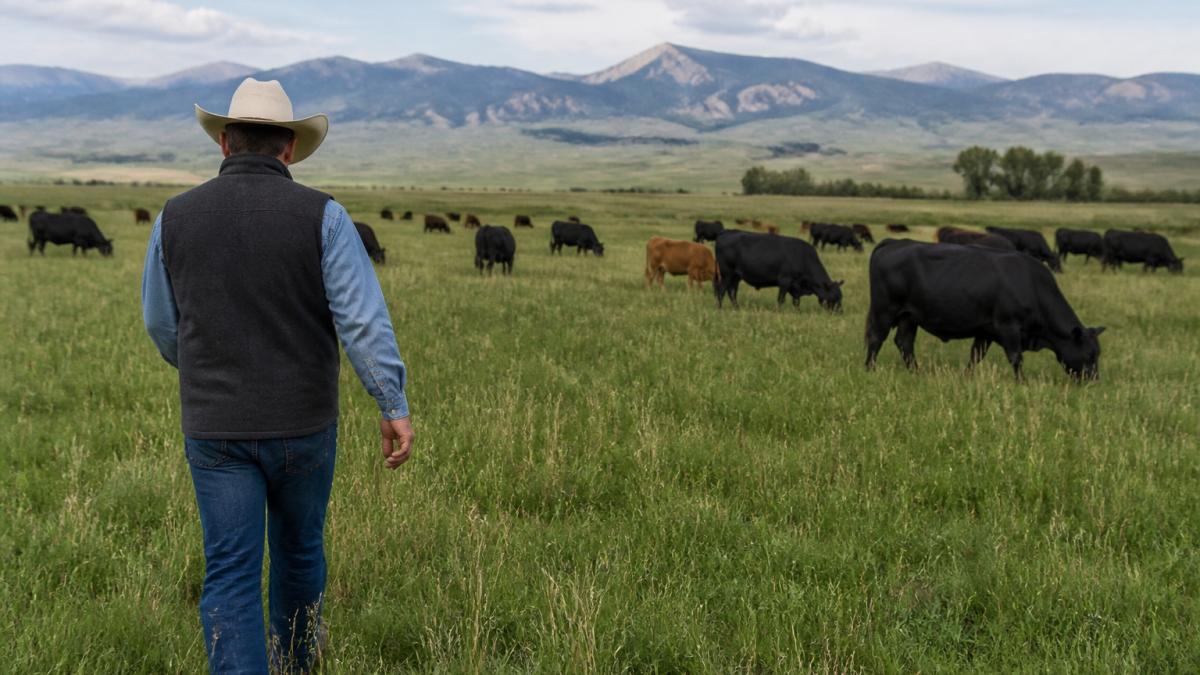
A rancher walking through a green pasture with a herd of cattle grazing in the background, natural daylight, wide Montana landscape
What Grass-Fed and Grass-Finished Mean
Grass-fed describes cattle that eat grass and forage for most or all of their lives. Grass-finished is stricter: the animal ate only grass, hay, and forage from birth through harvest, with no grain at any point.
The distinction matters because a "grass-fed" label alone can still allow a grain finishing period. Only "grass-finished" or "100% grass-fed" guarantees the animal never ate grain.
What Grain-Fed and Grain-Finished Mean
Grain-fed cattle eat a diet that includes grain, usually corn, at some point in their lives. Grain-finished means the animal spent its final months on a grain-based finishing diet to add weight and marbling before harvest.
Nearly all cattle start on pasture. The finishing phase, the last stretch before harvest, is where grass-fed and grain-finished operations diverge.
Side-by-Side Comparison: Taste, Nutrition, Cost, and More
Here's the short version: grain-finished beef tends to be more marbled, milder, and cheaper per pound; 100% grass-fed beef is leaner, more mineral-forward in flavor, and costs more because it takes longer to raise.
Factor |
100% Grass-Fed |
Grain-Finished |
|---|---|---|
Diet |
Grass, hay, forage only |
Pasture plus grain finishing |
Flavor |
Richer, more mineral and grassy |
Milder, buttery, mellow |
Fat color |
Yellowish, from plant compounds |
White to cream |
Marbling |
Leaner, less marbling |
More marbling |
Texture |
Firmer, can be chewier |
Tender, softer bite |
Time to harvest |
Longer, slower growth rate |
Shorter finishing window |
Typical cost |
Higher per pound |
Lower per pound |
Best for |
Grilling, roasting, slow cooking |
Steaks, quick searing |
Neither column is "better" in a vacuum. The right choice depends on what you're cooking and what you value.
How Grass-Fed Beef Taste and Texture Compare to Grain-Finished
Grass-fed beef tastes richer and more mineral-forward, while grain-finished beef tastes milder and buttery. The difference comes from fat: what cattle eat changes both how much fat they carry and what that fat tastes like.
Flavor and Fat Color
Fat from grass-finished cattle often carries a yellow tint. That color comes from plant compounds called carotenoids in fresh pasture. Grain-finished beef fat is typically white to cream because grain diets carry fewer of those compounds.
Flavor follows the fat. Grass-fed beef has a fuller, sometimes gamier taste. Grain-finished beef is mellow and buttery, which is why it's the default in most steakhouses.
Tenderness and Marbling
Marbling, the flecks of fat inside the muscle, is the biggest driver of tenderness. Grain finishing encourages more marbling, so grain-finished steaks tend to be softer and more forgiving.
Grass-fed beef is leaner and has a firmer texture. It can taste chewier if you cook it past medium-rare. That's not a defect, it's a cooking problem, and it's fixable.
Grass-Fed Beef Nutrition: What the Numbers Actually Show
Grass-fed beef nutrition leans slightly leaner and shows a different fatty-acid profile than grain-finished beef. The differences are real but modest at the serving level, so treat them as one factor among several, not the whole decision. What most comparisons get wrong is scale: they describe the gap as if it were dramatic, when the honest version is a small shift that varies more by cut than by diet.
A Like-for-Like Comparison
The table below uses cooked, trimmed lean beef values from the USDA FoodData Central database for a 3-ounce (85 g) cooked serving.
Nutrient (3 oz cooked, lean) |
Grass-Finished (typical) |
Grain-Finished (typical) |
|---|---|---|
Calories |
~150-160 |
~170-190 |
Total fat |
~5-7 g |
~8-11 g |
Saturated fat |
~2-3 g |
~3-4.5 g |
Omega-3 fatty acids |
~30-60 mg |
~10-20 mg |
Conjugated linoleic acid (CLA) |
Higher |
Lower |
Protein |
~22-24 g |
~22-24 g |
Iron, zinc, B12 |
Comparable |
Comparable |
The pattern is consistent: grass-finished beef tends to run lower in total and saturated fat and higher in omega-3s and CLA. Grain-finished beef tends to carry more fat, which is exactly what makes it more marbled and more forgiving on the grill.
What Those Numbers Do and Don't Mean
Don't overstate the omega-3 story. A 3-ounce serving of grass-finished beef might deliver 30-60 mg of omega-3s, while a 3-ounce serving of salmon delivers well over 1,000 mg.
The CLA difference is real and frequently cited, but the human health significance of CLA at typical dietary intakes is not settled.
The calorie and saturated-fat gap is the most reliable difference, and even that is smaller than most shoppers assume.
Why the Numbers Vary So Much
Three factors drive the spread in any published comparison:
- Cut and trim level. A trimmed top sirloin and an untrimmed ribeye differ by more fat than grass-finished and grain-finished versions of the same cut.
- Finishing diet and duration. Longer grain finishing adds more intramuscular fat; forage-only finishing keeps it lower.
- Breed and age at harvest. Some breeds marble more readily regardless of diet, and older animals generally carry more fat.
That's why you'll see wildly different figures quoted across websites. Any comparison that doesn't specify cut, trim, and serving size is describing a category, not a plate.
How to Cook Grass-Fed Beef for the Best Results
Grass-fed beef needs lower heat and shorter cooking times than grain-finished beef. Its leaner profile means less internal fat to keep it moist, so overcooking dries it out fast.
Use these rules:
- Sear hot, finish low. Get a hard crust, then pull the heat back.
- Cook to temperature, not time. Pull steaks at 125-130°F for medium-rare.
- Rest the meat. Ten minutes lets juices redistribute.
The USDA guidance on safe minimum cooking temperatures sets the food-safety floor at 145°F for whole cuts of beef with a three-minute rest. Cook to that minimum or above, and pull earlier only if you're searing to a final target.
Why 100% Grass-Fed Beef Costs More
100% grass-fed beef costs more because the cattle grow more slowly. Grass alone delivers less energy than grain, so it takes longer to reach harvest weight, and every extra month on pasture adds cost. But finishing time is only one of several factors behind the price gap. Understanding the rest helps you judge whether a given price is reasonable or inflated.
The Four Factors Behind the Price Gap
1. Time on feed. Grain finishing shortens the final phase by pushing faster weight gain.
2. Yield and dressing percentage. Grain-finished cattle typically yield more saleable meat per animal because they carry more fat and muscle.
3. Scale and infrastructure. Grain finishing happens in large, centralized facilities that spread fixed costs across thousands of head.
4. Channel and sourcing. Beef sold direct from a ranch, at a farmers market, or through a specialty retailer carries different overhead than beef sold through a national grocery chain.
Realistic Price Ranges by Cut
Prices move with region, season, and channel, so treat the ranges below as directional rather than fixed. They reflect typical retail and direct-to-consumer pricing for the same cut sold under each label.
Cut |
Grass-Finished (per lb) |
Grain-Finished (per lb) |
|---|---|---|
Ground beef |
~$10-$14 |
~$8-$12 |
Ribeye steak |
~$25-$35 |
~$20-$28 |
Strip steak |
~$18-$30 |
~$12-$26 |
Sirloin |
~$20-$25 |
~$15-$22 |
Chuck roast |
~$9-$14 |
~$7-$12 |
Brisket |
~$9-$14 |
~$6-$12 |
The gap is widest on premium steaks and narrowest on ground beef and braising cuts. That's worth knowing if you're choosing between the two on a budget: the value case for grain-finished beef is strongest on steaks, and weakest on ground beef, where the two are closer in price than most shoppers expect.
Bulk Buying Changes the Math
Buying a quarter, half, or whole animal direct from a ranch is the most common way to close the price gap. You pay a per-pound rate for a mix of cuts, including ground beef and roasts that would cost more at retail, and you absorb the freezer space and upfront cost yourself.
At 5L Meat Shop, our 100% grass-fed cattle eat grass and Montana-grown hay from our ranch with no grain, and every animal is dry-aged for 14 to 21 days.
- 100% GRASSFED QUARTER BEEF - about 110-120 lb at $11.40 per lb
- 100% GRASSFED HALF BEEF - about 240-260 lb at $11.15 per lb
- 100% GRASSFED WHOLE BEEF - about 480-500 lb at $10.96 per lb
Labels and What They Guarantee
Labels are where buyers get tripped up. "Grass-fed" alone doesn't guarantee a grass-only diet for life. "100% grass-fed" and "grass-finished" are the claims that do. For the legal definitions behind those terms, check the USDA Agricultural Marketing Service grass-fed standards.


If you're comparing prices across brands, read the label before you read the price tag. A cheaper "grass-fed" product may include a grain finishing period, which is a different product from a "grass-finished" one, and the price difference often reflects that.
Conclusion: Which Beef Fits Your Table?
Both types earn a place in a home kitchen. Grain-finished beef gives you easy tenderness and a lower price per pound. 100% grass-fed beef gives you a leaner cut with a fuller flavor and a production story you can trace.
The harder question is sourcing. Order a quarter, half, or whole beef and stock your freezer with meat you can trace back to the pasture.
Frequently Asked Questions
What are the differences between grass-fed and grain-finished beef?
Grass-fed cattle eat forage like grass and hay for their whole lives, while grain-finished cattle eat grass early on and then switch to a grain-based diet for the final months. This finishing phase changes fat color, marbling, and flavor. Grass-finished beef tends to be leaner with a more gamey taste, and grain-finished beef is often more tender with a milder flavor.
How does grass-fed beef taste compared with grain-finished beef?
Grass-fed beef has a stronger, more mineral-rich flavor that some describe as grassy or gamey. Grain-finished beef tastes milder and slightly sweet because the grain diet increases marbling. The fat on grass-fed beef is often yellower due to plant compounds, while grain-finished fat is whiter. Both can be delicious depending on your preference and how you cook them.
Is grass-fed beef healthier than grain-finished beef?
Grass-fed beef generally has less total fat, more omega-3 fatty acids, and higher levels of conjugated linoleic acid. Grain-finished beef still provides high-quality protein, iron, and zinc. The differences are meaningful but moderate, so either can fit a balanced diet. If you want higher omega-3s, grass-fed is the better choice, but grain-finished is not unhealthy.
How can you tell whether beef is 100% grass-fed?
Look for a label that says '100% grass-fed' or 'grass-finished' and check for a third-party certification such as the American Grassfed Association. Many brands also list the ranch or farm on the package. If the label only says 'grass-fed' without 'finished,' the animal may have been grain-finished. Buying directly from a ranch that provides transparency is the most reliable way.
Which is better for grilling: grass-fed or grain-finished beef?
Grain-finished beef is often easier to grill because its extra marbling keeps it juicy and forgiving over high heat. Grass-fed beef is leaner and can dry out quickly, so it benefits from a hot, fast sear and a rest. For steaks, grain-finished is a safe bet; for burgers or lean cuts, grass-fed works well if you avoid overcooking.
Choosing between grass-fed and grain-finished beef is easy once you know what the labels actually mean. The harder part is finding a ranch you trust. 5L Meat Shop raises 100% grass-fed and grass-fed grain-finished beef on our Montana ranch, dry-ages every animal for 14 to 21 days, and delivers it straight to your door. Get started with 5L Meat Shop and fill your freezer with beef you can trace to the pasture.